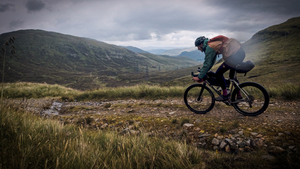
The North Wessex Downs
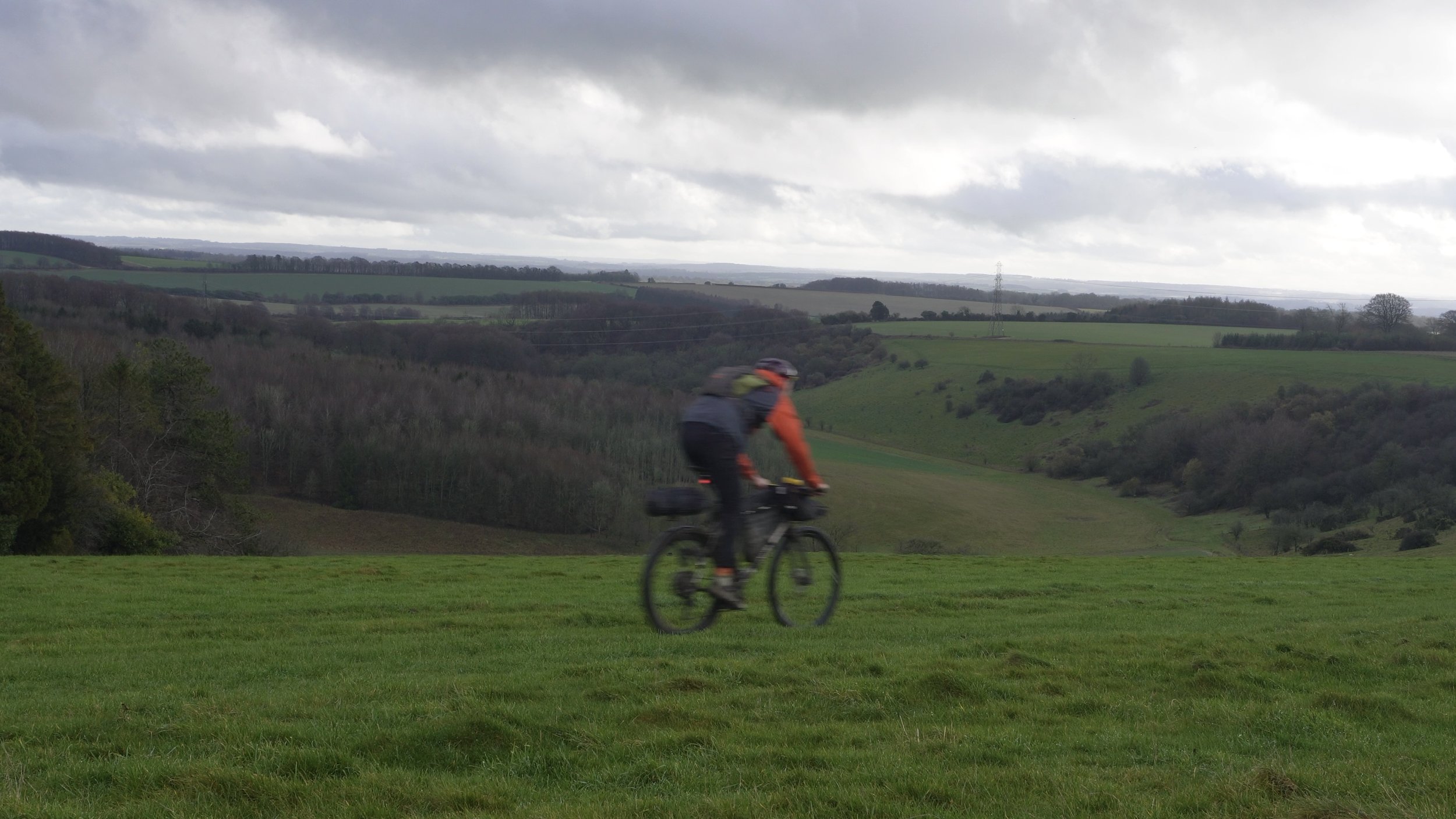
The North Wessex Downs is a roughly 160-mile bikepacking loop through one of the most underrated landscapes in the south of England in my opinion. This route winds its way through rolling chalk hills, ancient byways, quiet villages, and some of the best long-distance tracks in the region, including stretches of the Ridgeway. I rode this route over three days as my first bikepacking trip of the year, using it as a way to get some fitness back in the legs after winter.
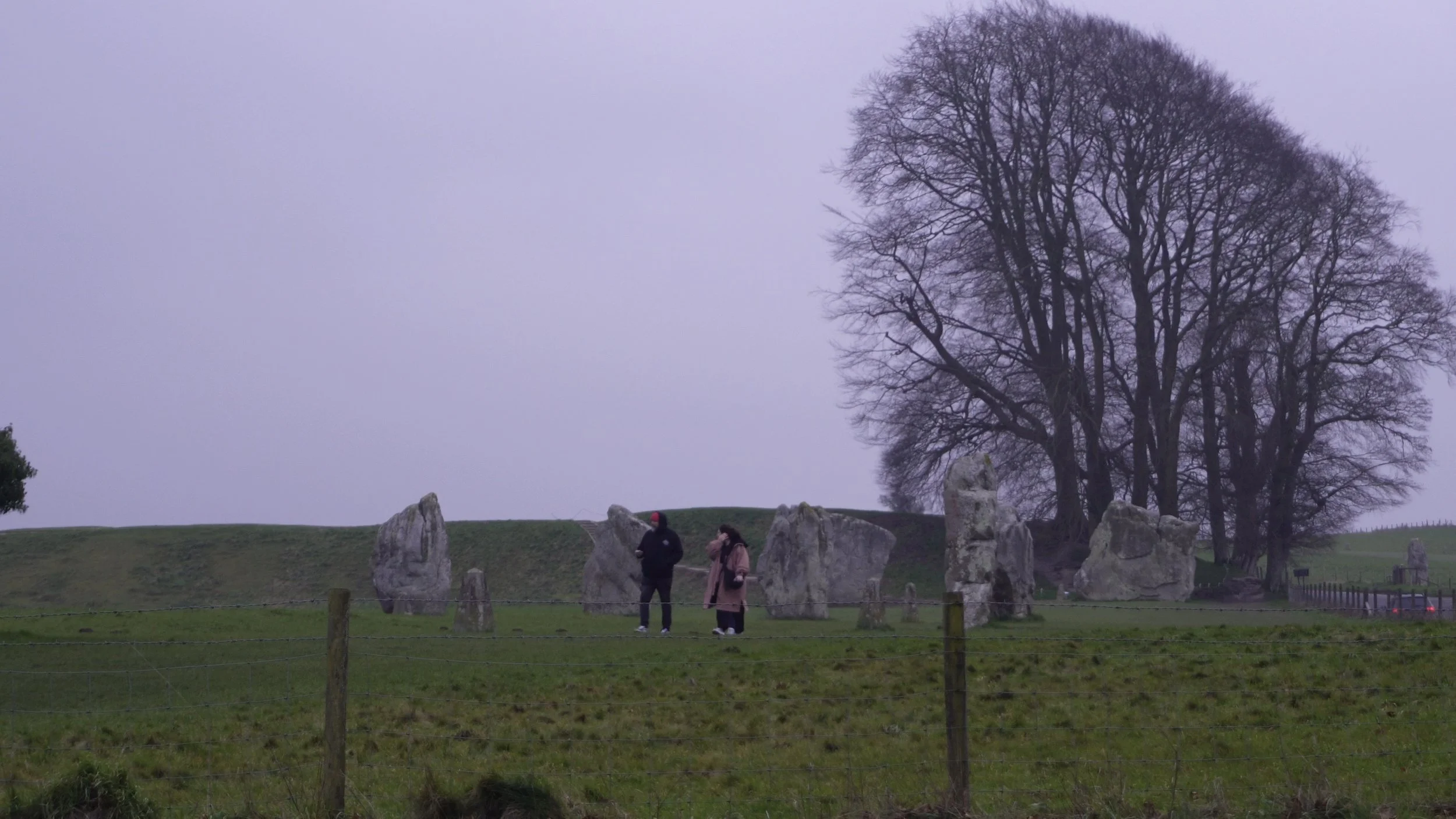
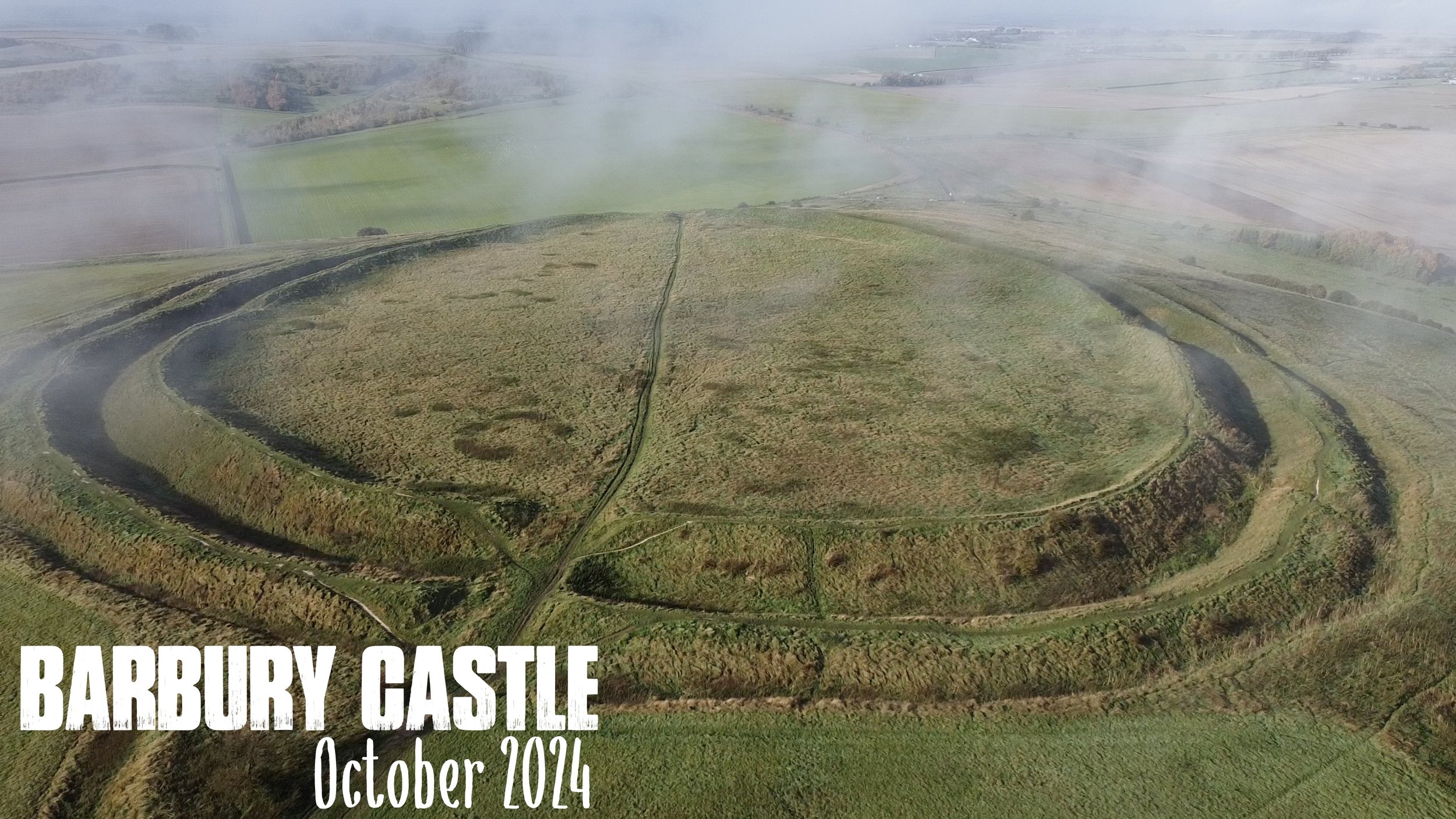
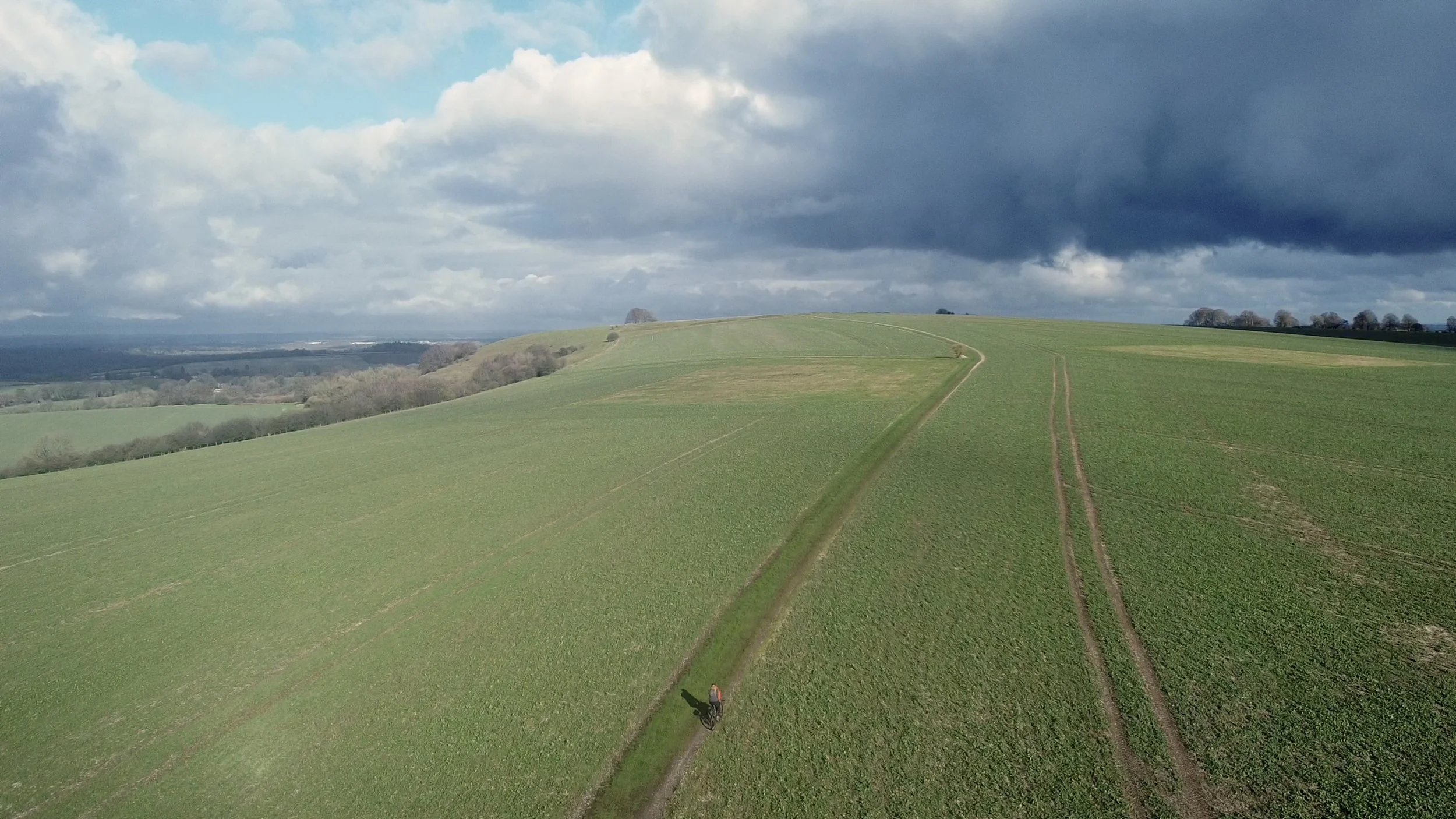
The route isn’t remote in a wilderness sense, but it does feel quiet and spacious once you’re up on the Downs. You’re never that far from a village, a road, or a train line, yet large sections feel surprisingly empty, especially early in the morning or in poor weather. With plenty of history layered into the route, from Neolithic stone circles to Iron Age hill forts there is a bit of history to discover along the way too.
I started this route at Basingstoke, which works well both logistically and as a way to ease into the route. Being a loop, though, there are plenty of other options depending on how you plan to get there.
Route overview
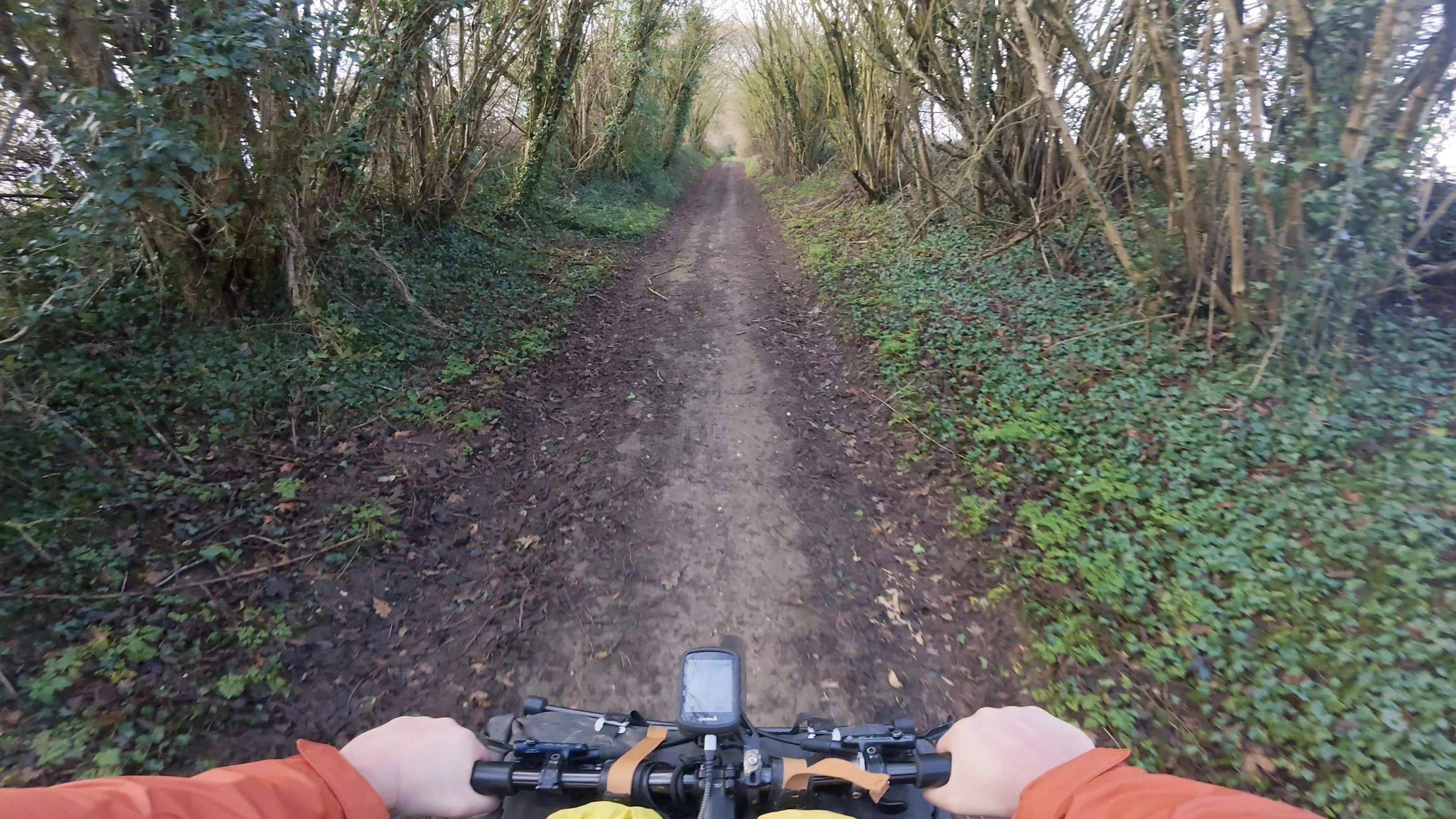
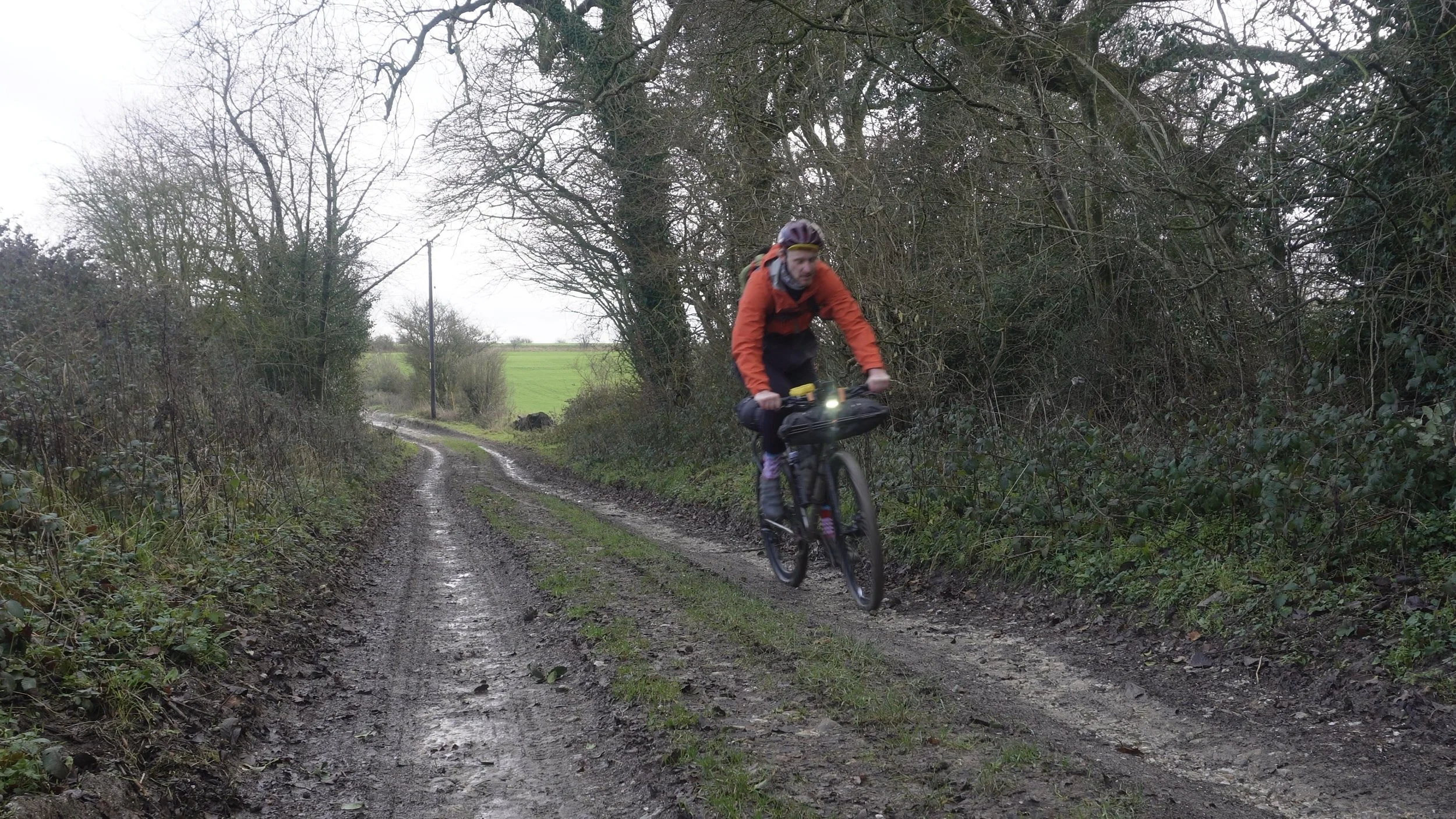
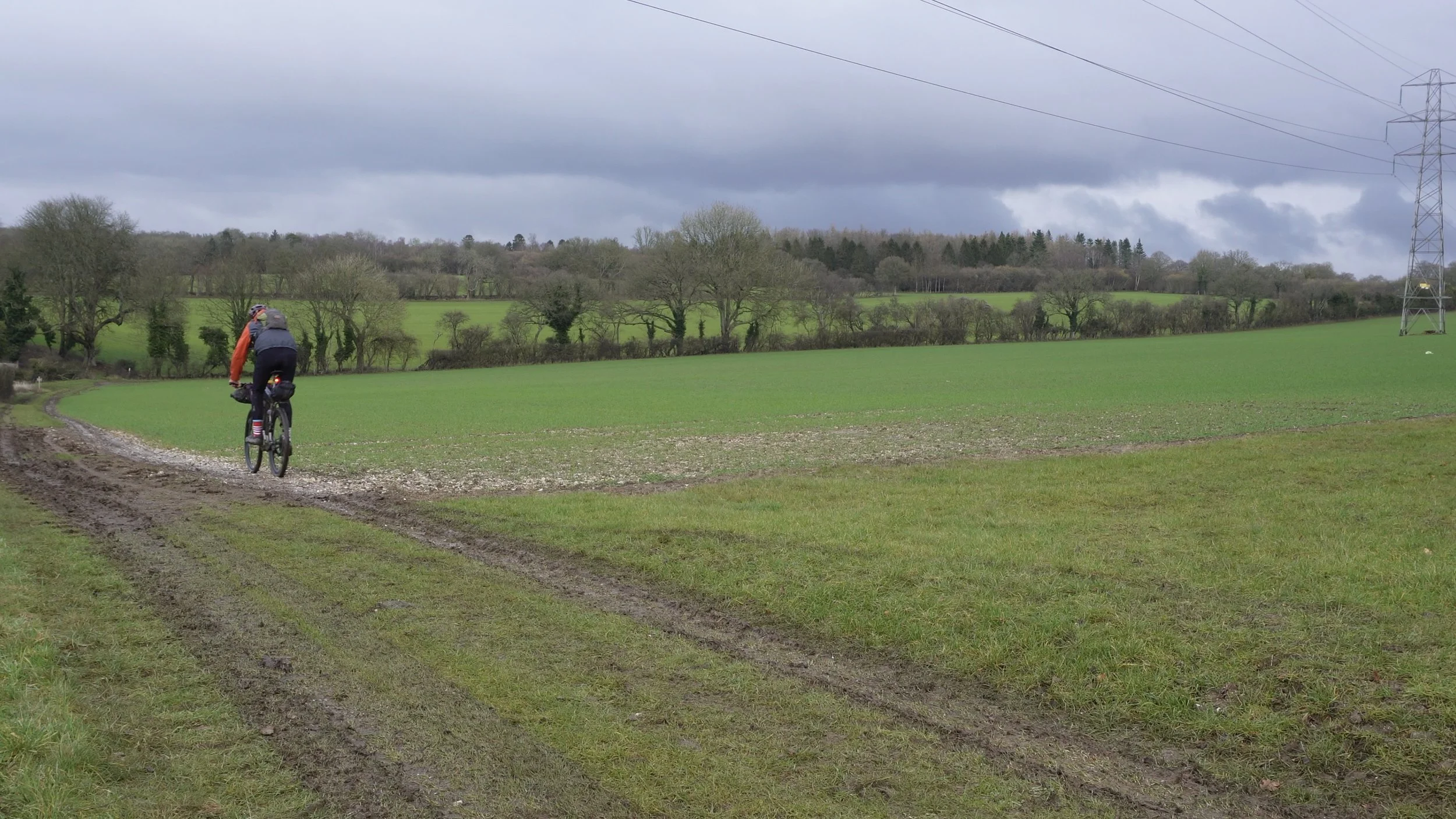
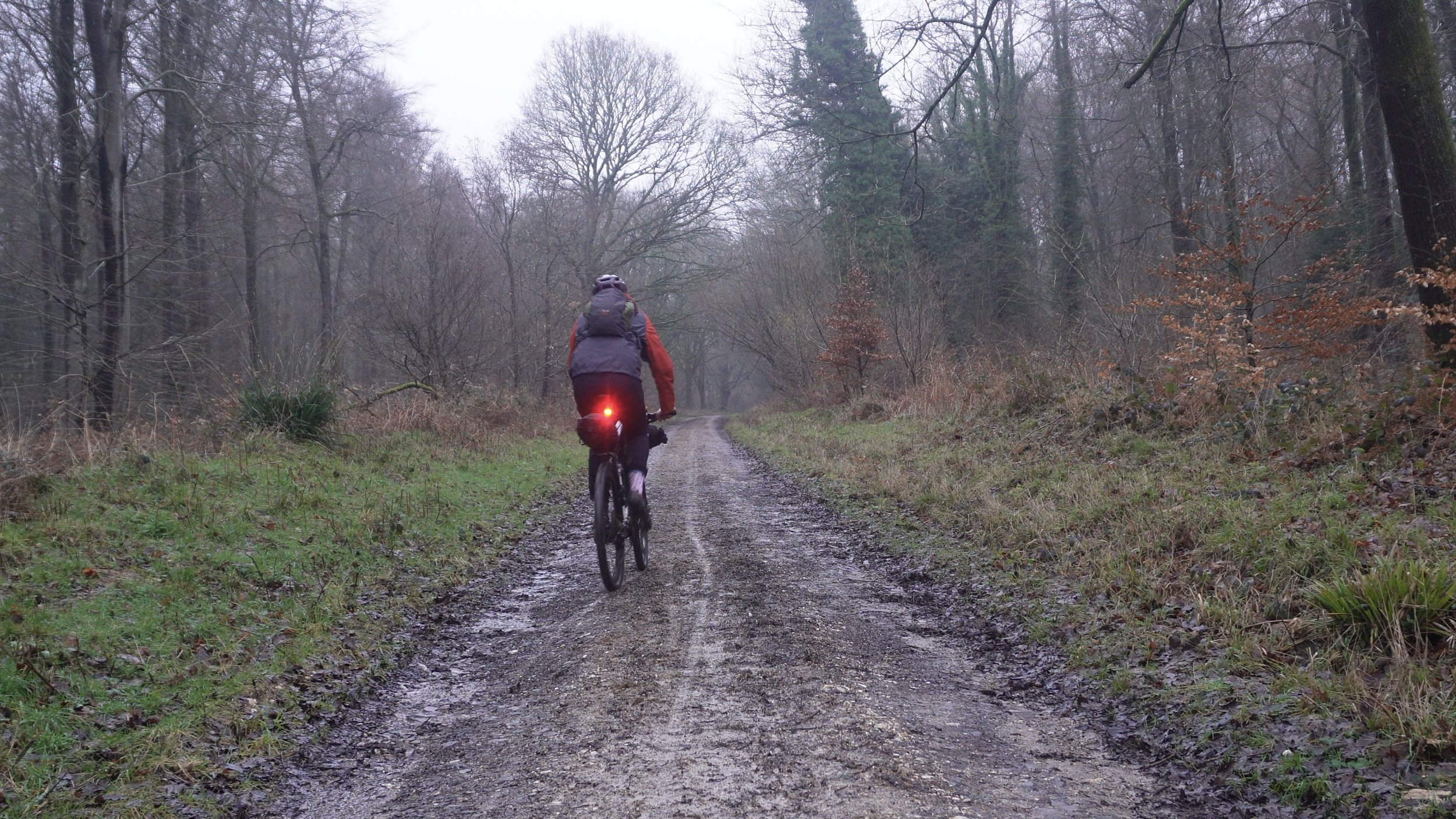
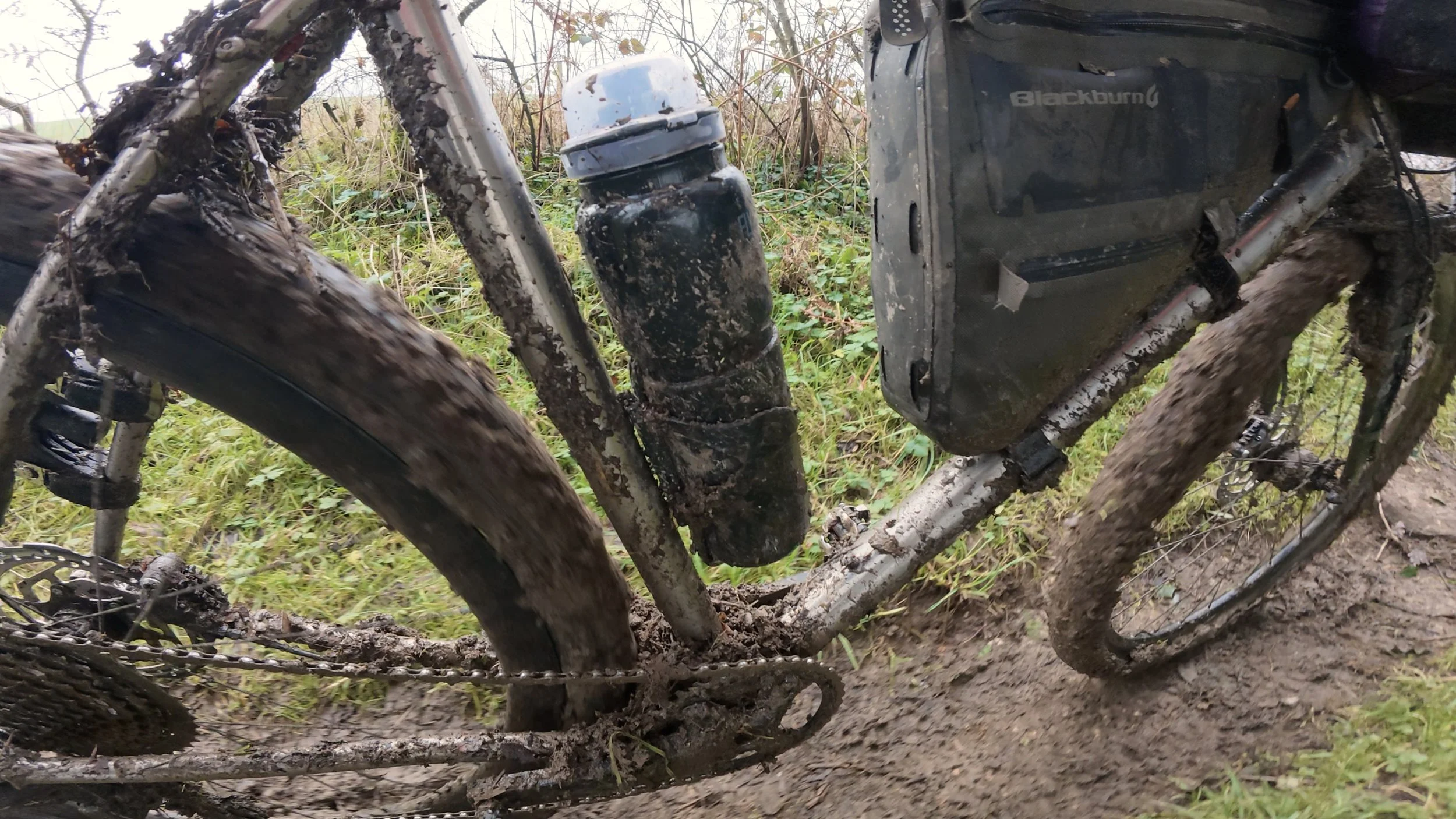
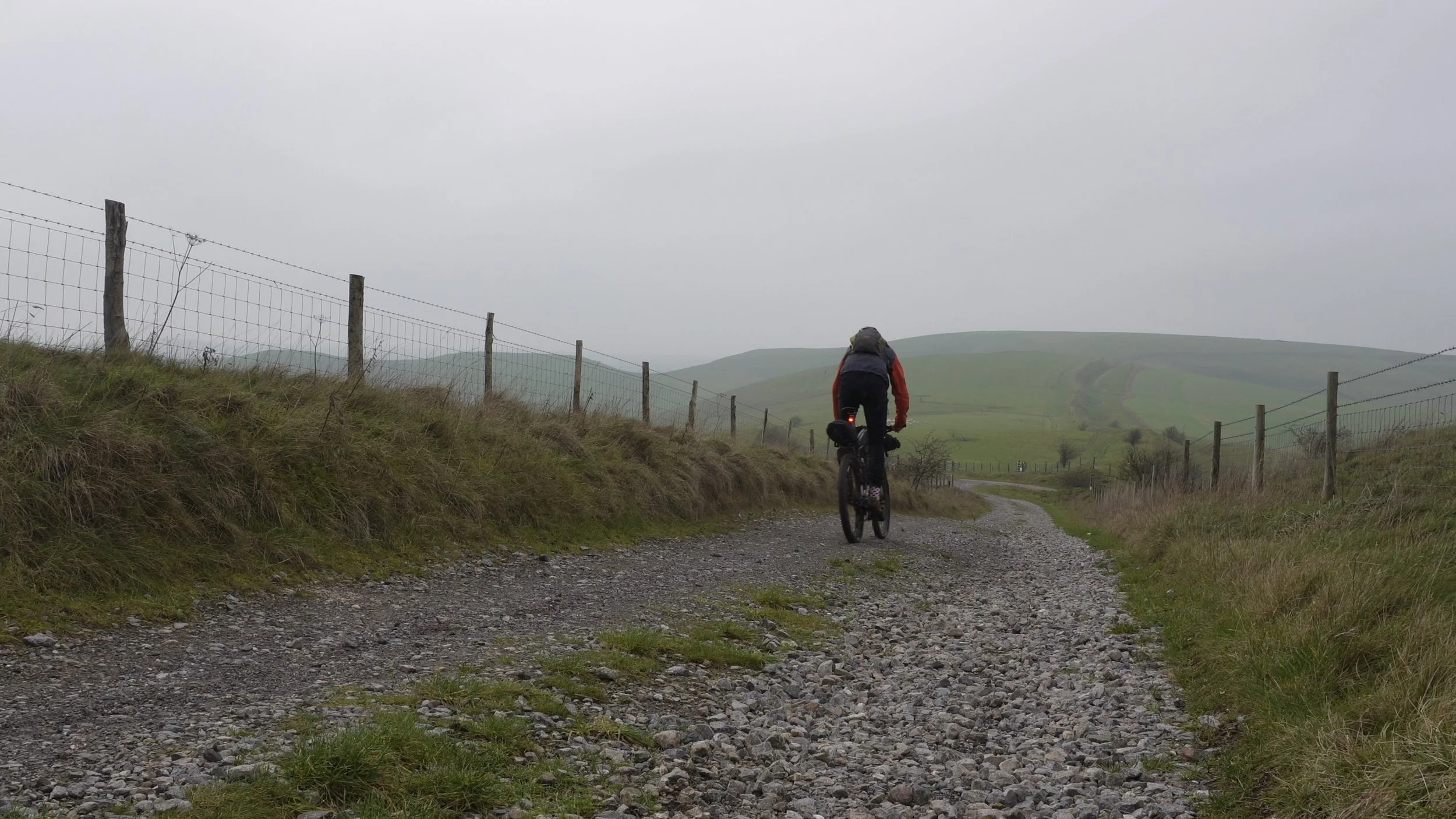
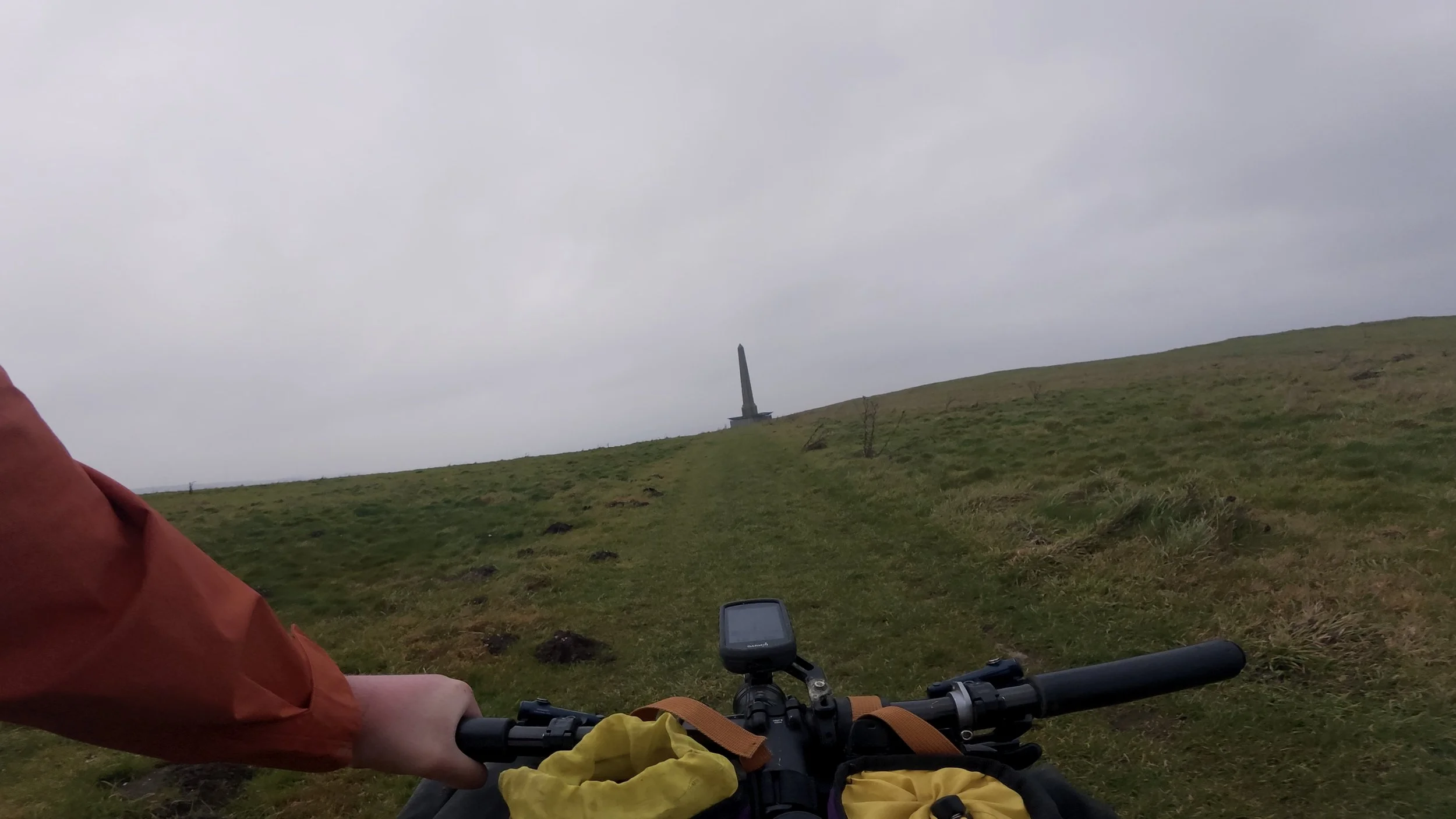
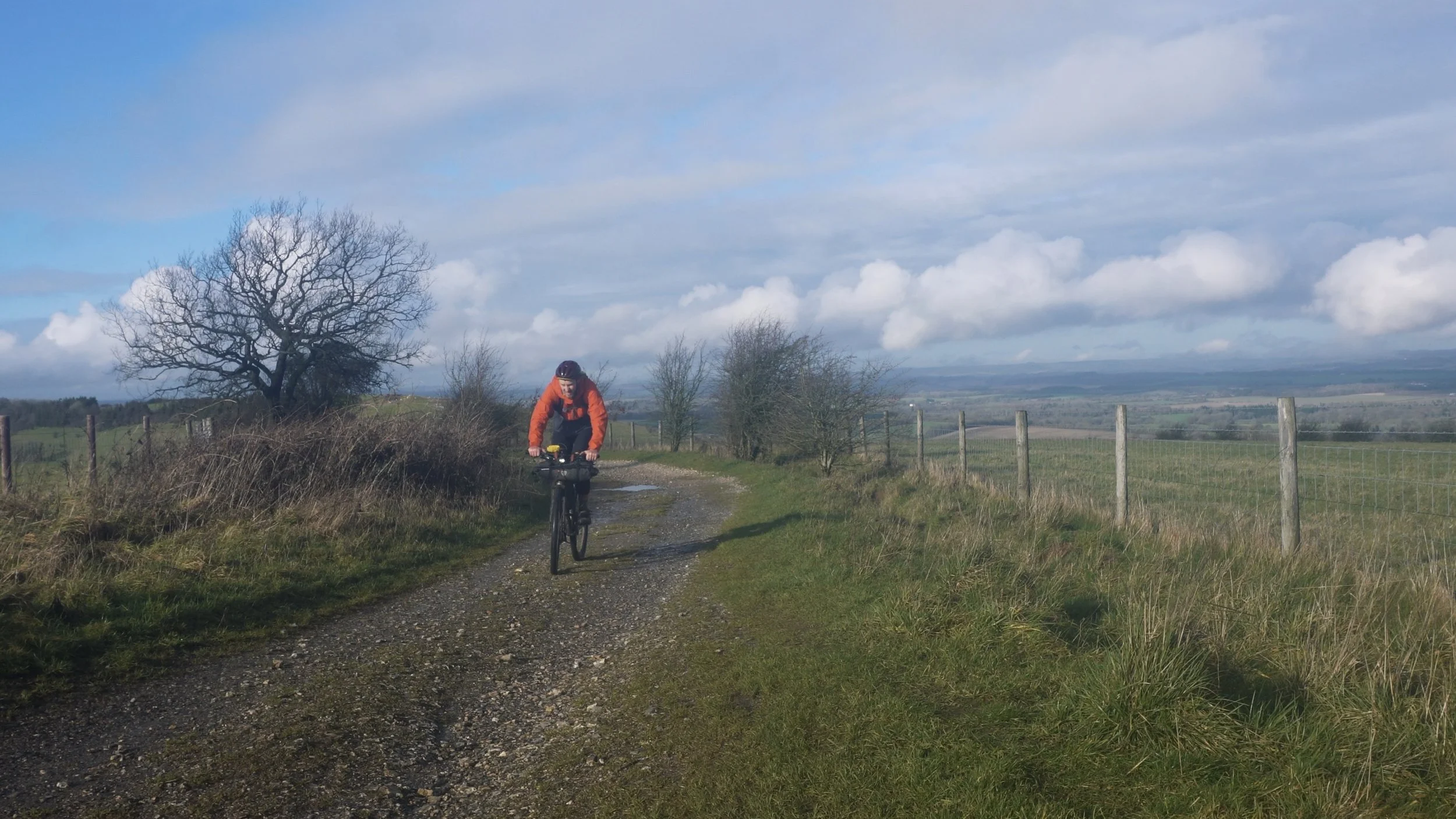
The North Wessex Downs route is made up of a mix of byways, bridleways, chalk tracks, sections of the Ridgeway, and quieter country lanes used to link it all together. The riding is rarely technical, but it is constantly up and down, with very few flat sections for long periods of time. Chalk plays a big role in how this route feels. In dry conditions it’s fast, grippy, and enjoyable to ride. In the wetter months it becomes slippery, rutted, and physically demanding, especially on climbs. Weather and ground conditions make a huge difference to how difficult this route feels. The route passes through or near places like Pewsey, Avebury, Lambourn, and Hungerford, and takes in landmarks such as the Avebury stone circles, Barbury Castle, and the Lansdowne Monument. So there are a few things to see if that’s your jam in between the off-road trails.
Who is this route for?
This route sits nicely in the middle ground. It’s not a beginner-friendly introduction to bikepacking, but it also doesn’t require advanced technical skills or mountain terrain. If you’ve done a couple of shorter trips and are looking for something that might be a bit more challenging from time to time this is a great option.
Riders who enjoy long days in the saddle, rolling terrain, and quieter trails will get the most out of this route. It suits people who are happy managing changing conditions and pacing themselves over repeated climbs. In summer, it becomes much more accessible and forgiving, while in winter it feels tougher.
It’s also a great route if you enjoy history. From prehistoric stone circles to Iron Age hill forts and ancient trackways, there’s a lot to take in if you’re willing to slow down and look around.
Which bike?
Bike choice makes a big difference on the North Wessex Downs. In the drier summer months, a flat-bar gravel bike works really well, and a drop-bar gravel bike can also be fine depending on your experience and confidence on loose descents. Tyres in the 45 to 50mm range are a good starting point in dry conditions.
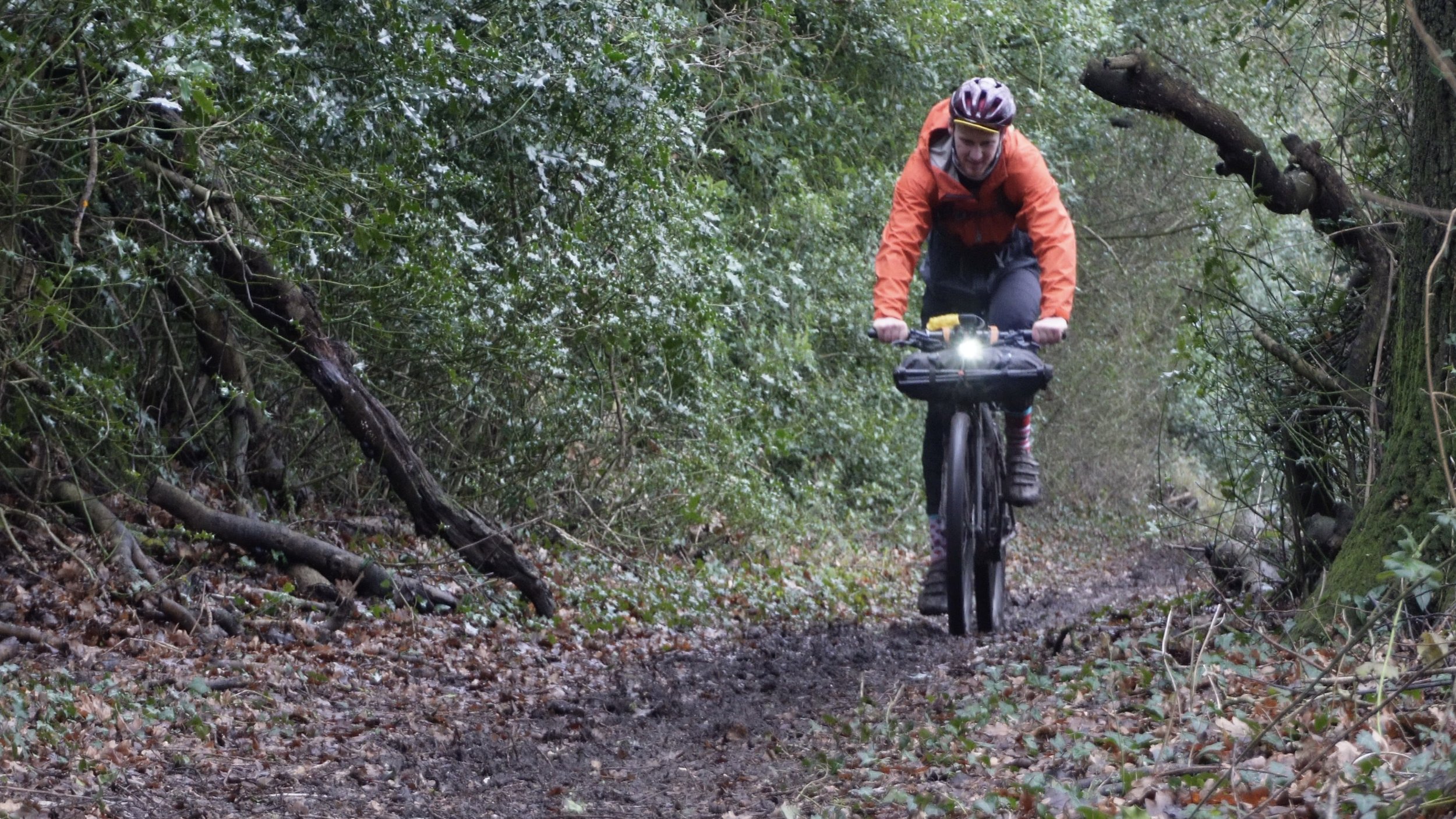
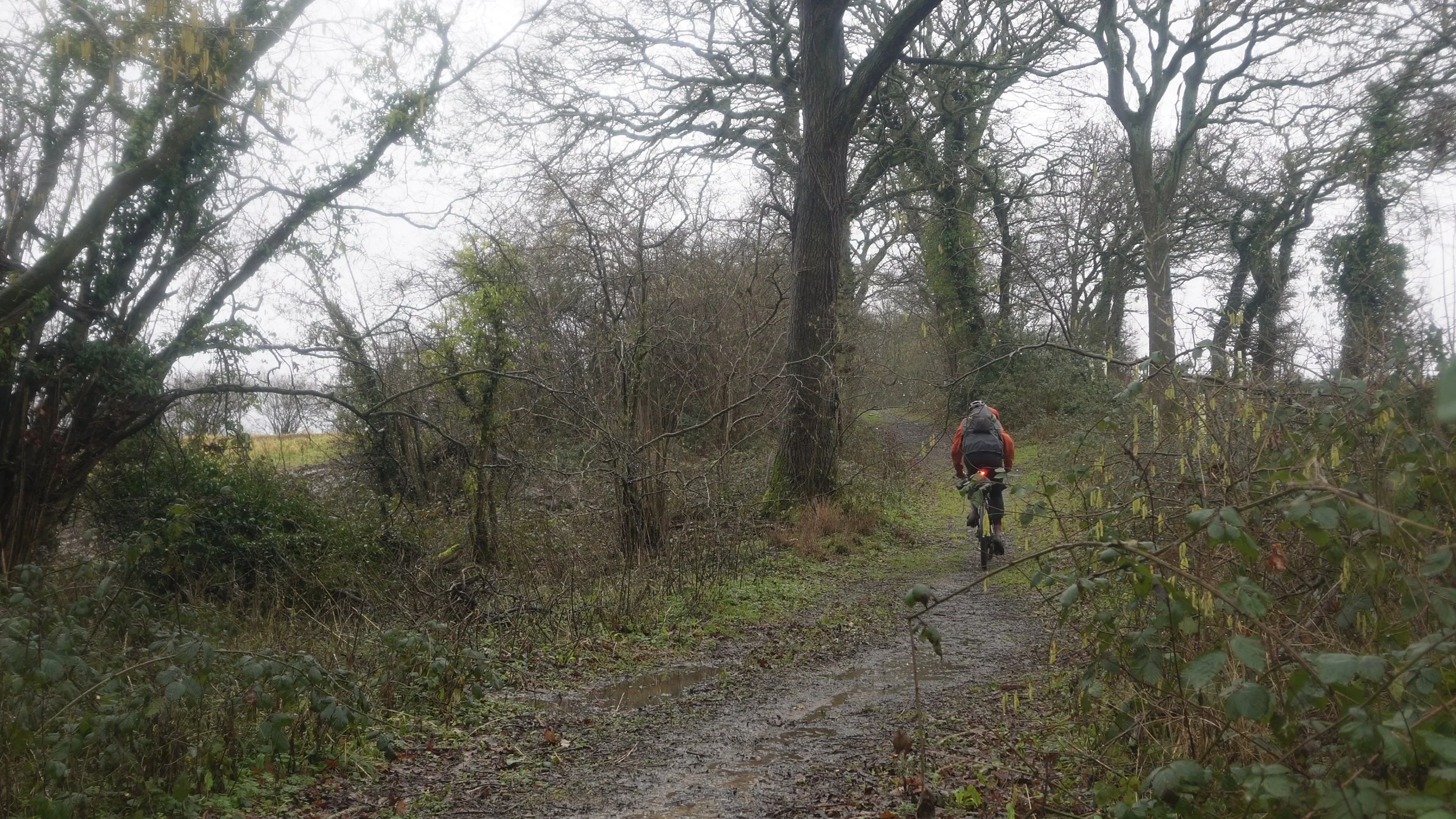
In the wetter months, this route leans much more towards mountain bike territory. Chalk becomes slick and rutted, climbs are harder to maintain traction on, and descents need more control. A rigid mountain bike or an XC-style hardtail makes the route far more enjoyable at this time of year. Flat bars, wider tyres, and lower pressures help massively when conditions are poor.
Easy gearing is a must regardless of bike choice. The climbs aren’t extreme, i dont think you break the 1000ft barrier on this one although you come close a couple of times, but them climbs are constant, and when the ground is soft you’ll be thankful for something you can spin rather than grind.
Wild camping or accommodation
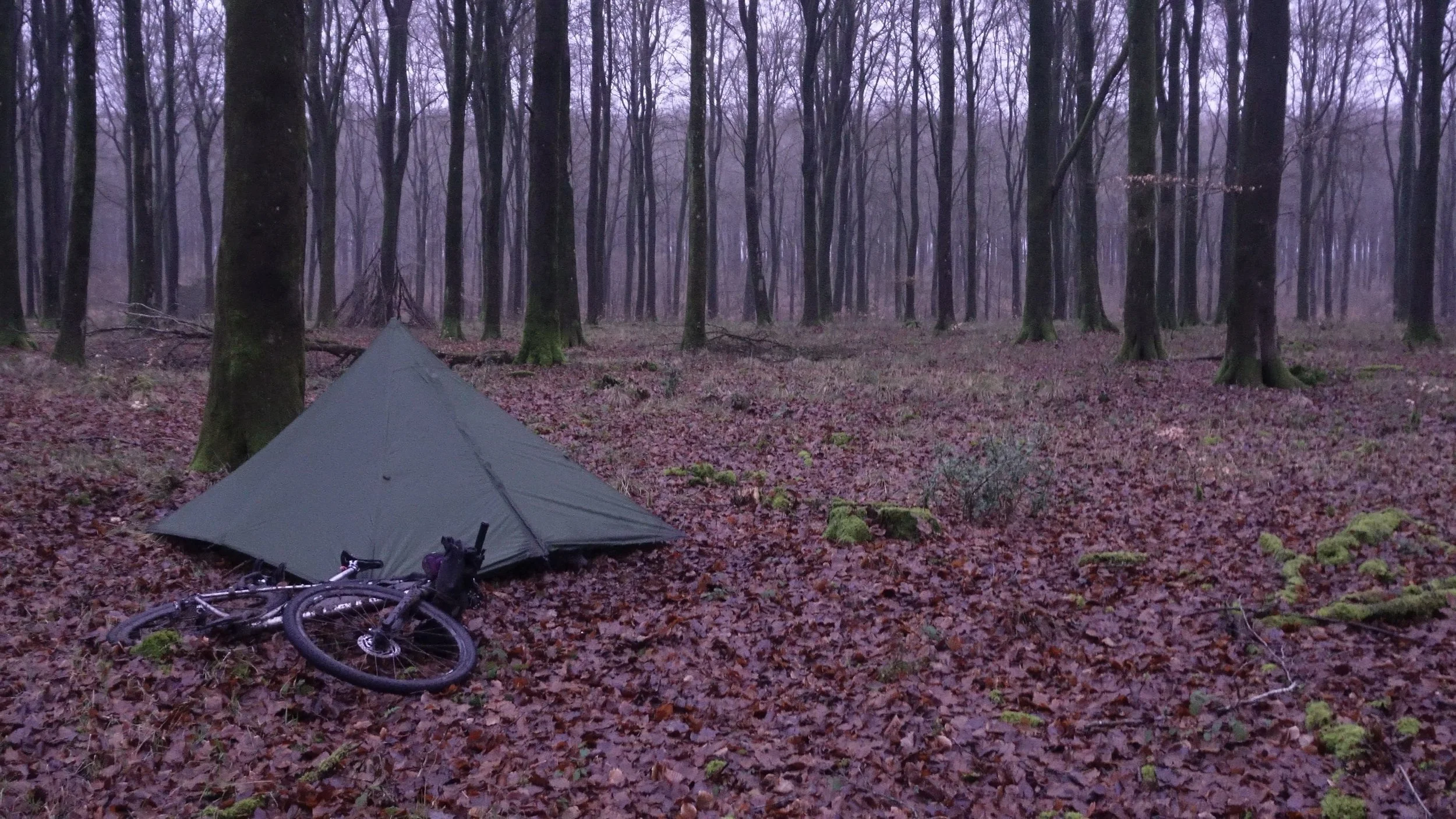
Wild camping on this route is fairly easy thanks to the number of quiet woodlands scattered across the route. While the route isn’t completely remote, it’s quiet enough that if you set up late and leave early, you’re unlikely to see anyone.
Bivvying, hammocks, or a small tent all work well here. Woodlands offer plenty of cover, but a bit of planning helps to make sure you end your day in the right place. Stealth and respect are important. Set up discreetly, leave no trace, and be mindful of nearby paths and farmland.
If camping isn’t your thing, accommodation is easy to find. The route passes near villages and towns regularly, making pubs, B&Bs, and small hotels a realistic option without needing to detour far.
Resupply points
Resupply on the North Wessex Downs is straightforward if you plan it properly. I deliberately routed the ride through places with shops to keep things simple.
Key resupply points include Pewsey, Lambourn, and Hungerford. These towns have shops, cafés, and places to grab hot food.
You don’t need to carry huge amounts of food or water, but you should expect to ride around 40 miles between resupply points, especially if you’re camping and finishing days away from towns.
Public transport
Basingstoke is easy to reach by train from London Waterloo using South Western Railway. Bike reservations are not required, although trains use designated bike spaces rather than hanging hooks, and services can get busy at peak times.
If Basingstoke doesn’t work for you, Pewsey and Hungerford are both good alternative start or finish points. They sit directly on the route and also have good train connections, making the loop flexible and accessible.
Difficulty rating
The distance, constant elevation changes, and exposed riding make it more demanding than beginner routes. In the wetter months, slippery chalk and rutted tracks significantly increase the physical effort required.
In summer, when conditions are dry, the route feels noticeably easier. The riding flows better, traction is predictable, and the climbs are far less punishing. There’s nothing particularly technical, but conditions play a huge role in how hard this route feels. Good pacing, sensible daily distances, and realistic expectations matter just as much as fitness. If you have a good level of bike handling skills you will be good. Just go careful after rainfall it can be easy to go down.
If you are looking for a adventure to get yourself going for the year or wanting to test a bikepacking set up then this route will serve you well it’s plenty rough enough for a shake down ride without being too long that you can get through the miles fairly quickly. The north Wessex downs is one of my favourite places to enjoy a little bit of bikepacking adventure with so many byways, bridalways it very easy to stay off-road and the majority of this route does just that.