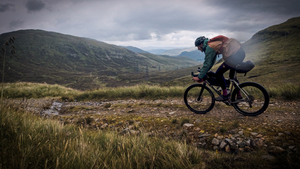
The Wolf way (winter version)
The Wolf Way is a 250-270 mile bikepacking route around Suffolk, although there are different versions available from here. The version I took on is the Winter wolf way slightly longer at around 275 miles. The summer version uses a ferry between Felixstowe and Bawdsey. But doesn’t run in the winter, you can find the ferry times here.
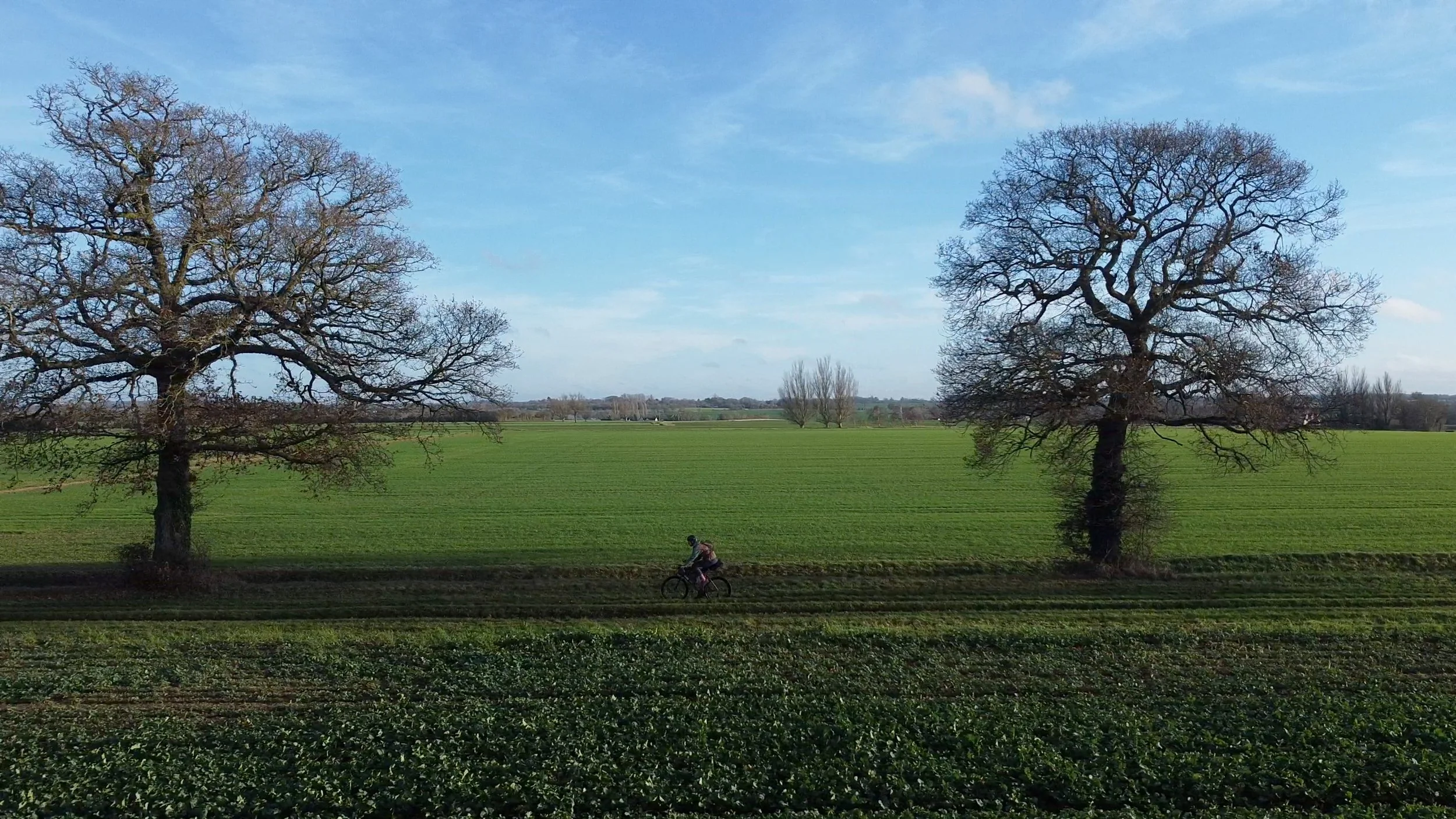
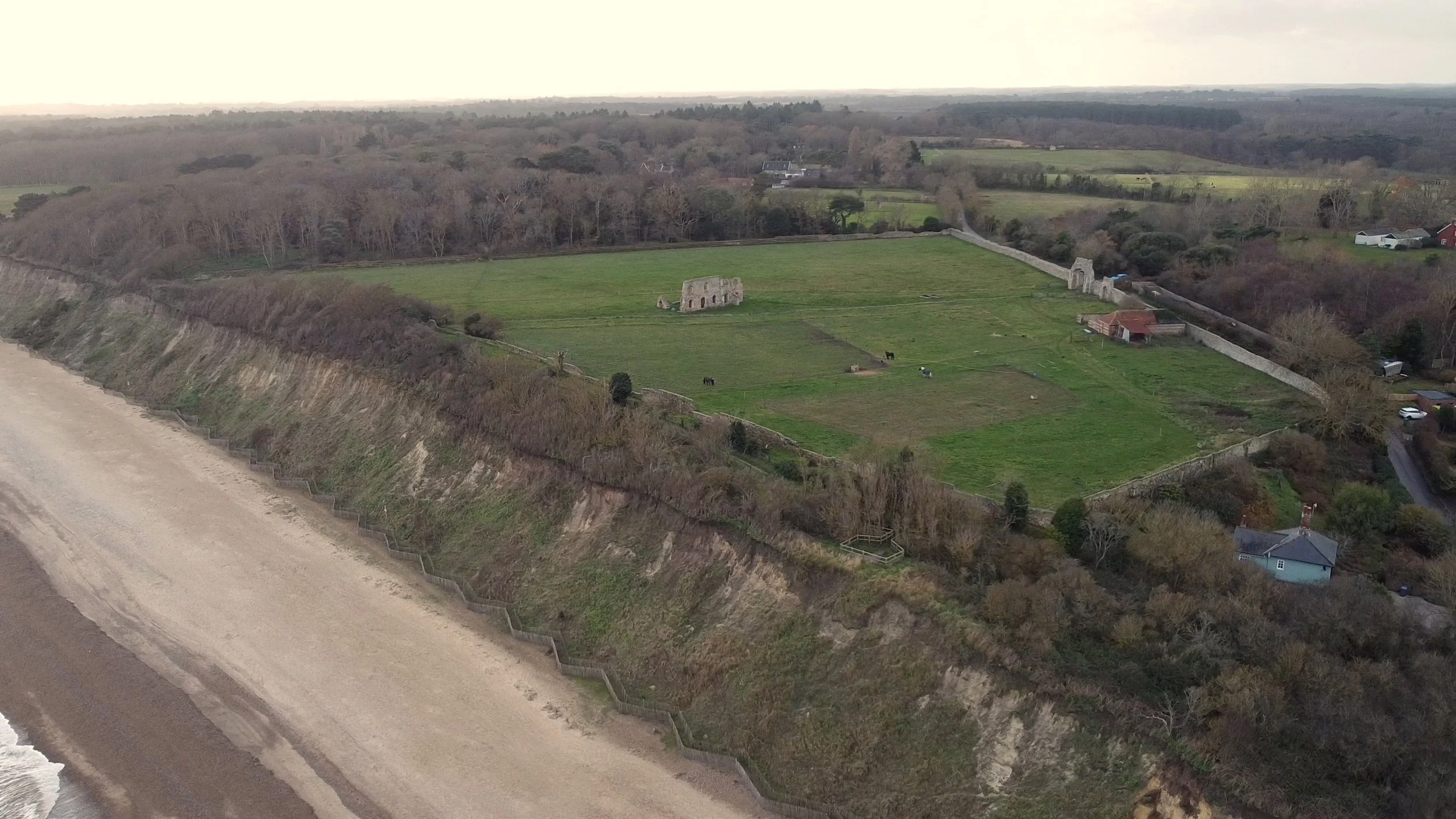
The Wolf Way is very much a countryside bikepacking route. It’s not remote or wild in the same way as some UK routes, but that’s part of its appeal. It’s accessible, beginner-friendly, and packed with history, taking in everything from Neolithic settlements to Roman-era towns like Ipswich and Dunwich. The official start point is Bury St Edmunds, but being a loop, there are plenty of places you can join the route depending on how you plan to get there. The landscape is generally flat, with the highest point sitting under 400 feet above sea level. While it isn’t completely flat, the climbs are short and manageable, making this a great option if you’re looking for a less physically demanding multi-day ride.
Route overview
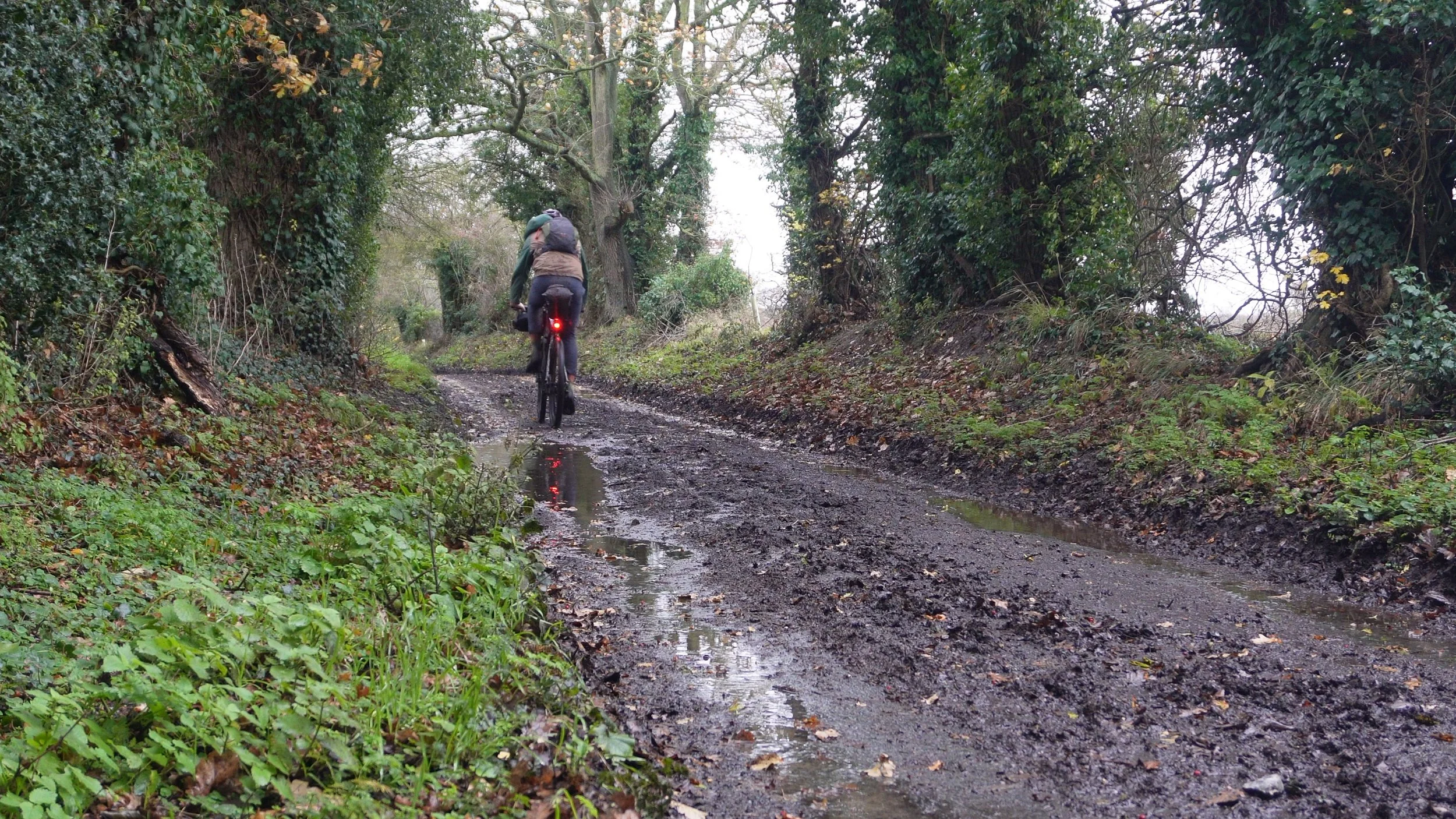
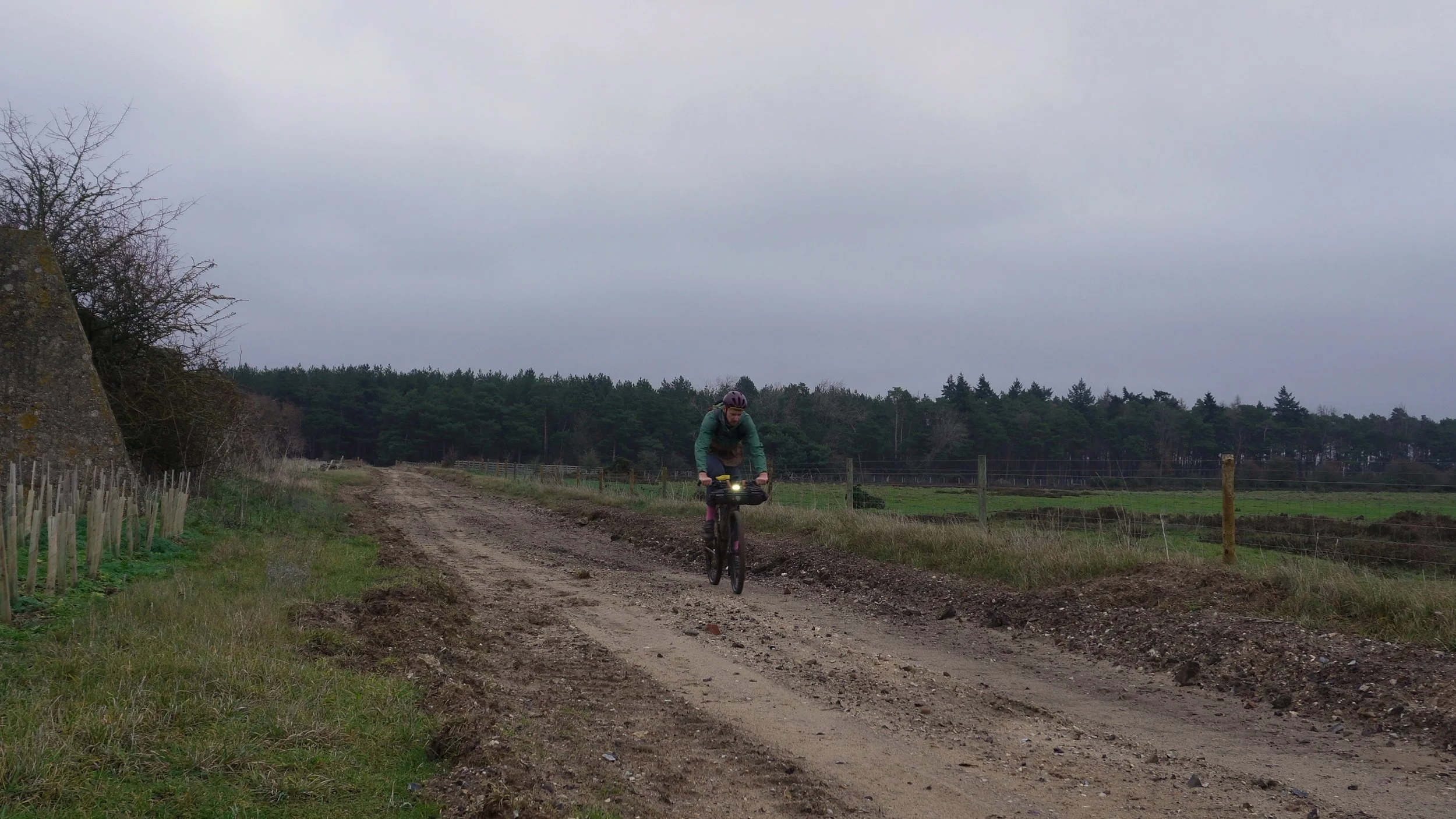
The Wolf Way is made up of a mix of bridleways, byways, single-track bridleways, and a fair amount of quiet country lanes. This makes it easy to cover miles without feeling constantly beaten up by the terrain. While there are some fun off-road sections, this isn’t a route that’s trying to be technical.
There are two main versions of the route:
Winter version: ~270 miles, avoids the Felixstowe ferry
Summer version: ~250 miles, includes the Felixstowe–Harwich ferry crossing
If you’re planning to ride the summer version, it’s important to check ferry times in advance.
Who is this route for?
This is one of the most beginner-friendly bikepacking routes I’ve ridden in the UK. If you’re new to bikepacking, or looking for a route to test your kit without committing to something overly remote or technical, the Wolf Way is a great place to start.
It’s similar in feel to the Rebellion Way in Norfolk, but in my opinion, slightly more enjoyable thanks to a bit more elevation and more interesting trail choices. The combination of easy riding, frequent towns, and historical points of interest makes it ideal for riders who want to take their time or, if they prefer, push through the miles at a steady pace.
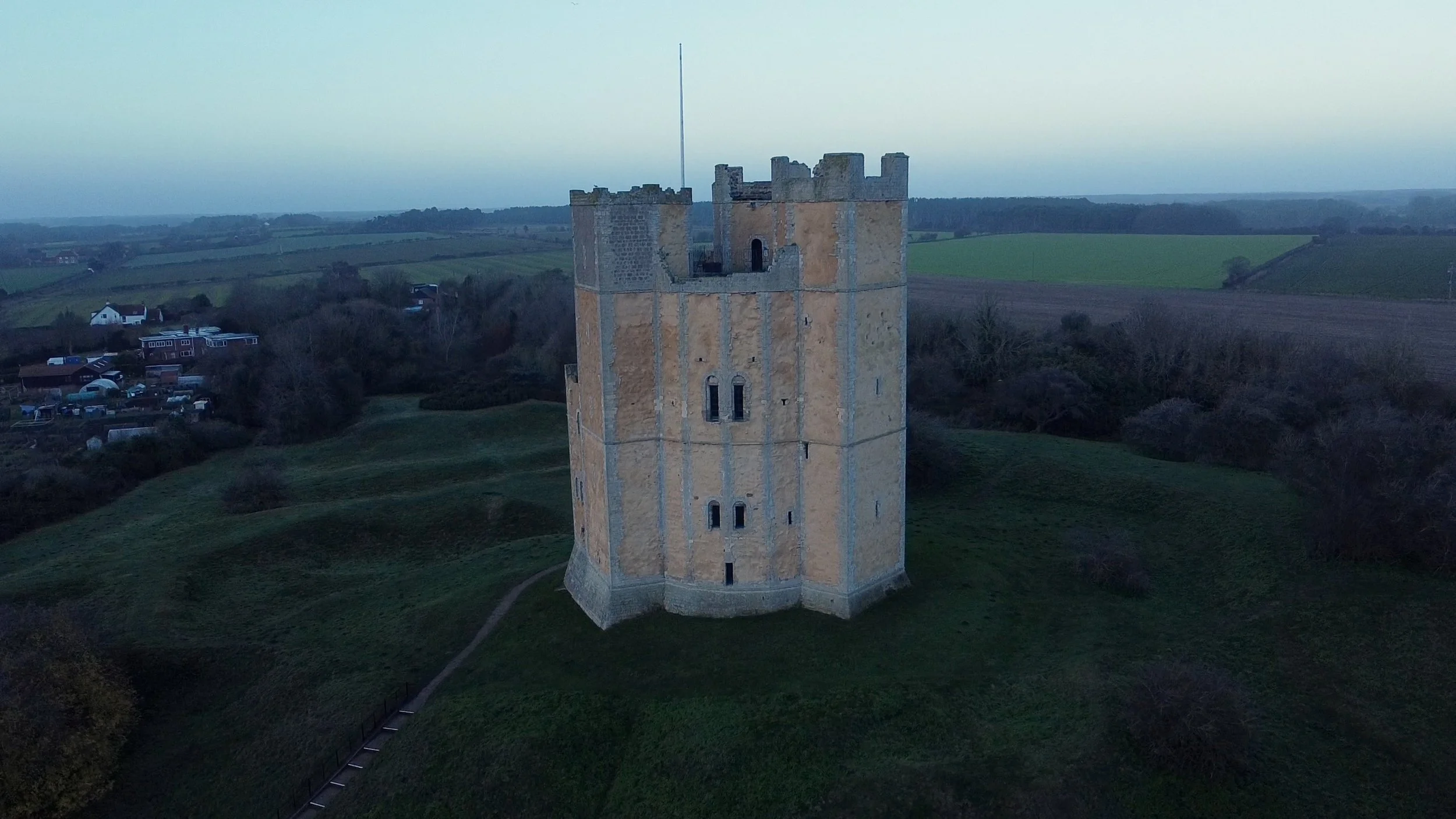
If you enjoy history, this route has plenty to offer, from castles and ancient settlements to more unusual stories involving UFO sightings. It’s a route that rewards curiosity as much as fitness.
Which bike?
Because the Wolf Way is mixed terrain and relatively non-technical, bike choice is fairly flexible. In the drier summer months, almost any bike with a bit of tyre clearance will work. I’d recommend something that can fit at least 35mm tyres in dry conditions.
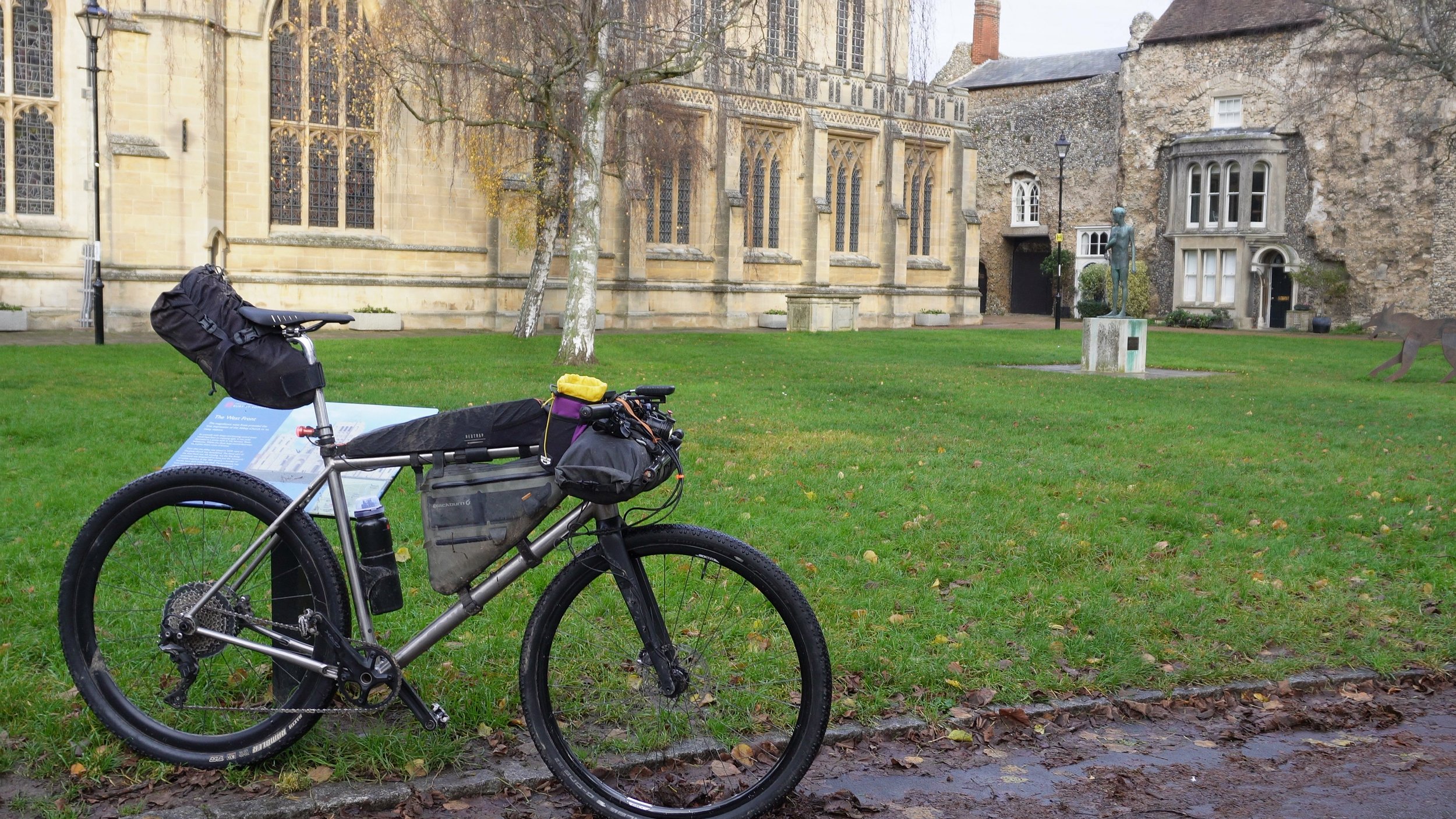
In the wetter winter months, wider tyres make a big difference. I rode this route on my Sonder Camino with 50mm tyres, which handled everything well without feeling slow on the road sections. A gravel bike is ideal for this route, but a mountain bike would also work fine, although it’s probably overkill for most of the terrain.
Gearing isn’t a major concern here. The route isn’t steep, and you won’t need modern ultra-wide-range setups. The toughest climb I remember was coming back up from the coastline near Lowestoft, but even that was short and manageable.
Wild camping or accommodation
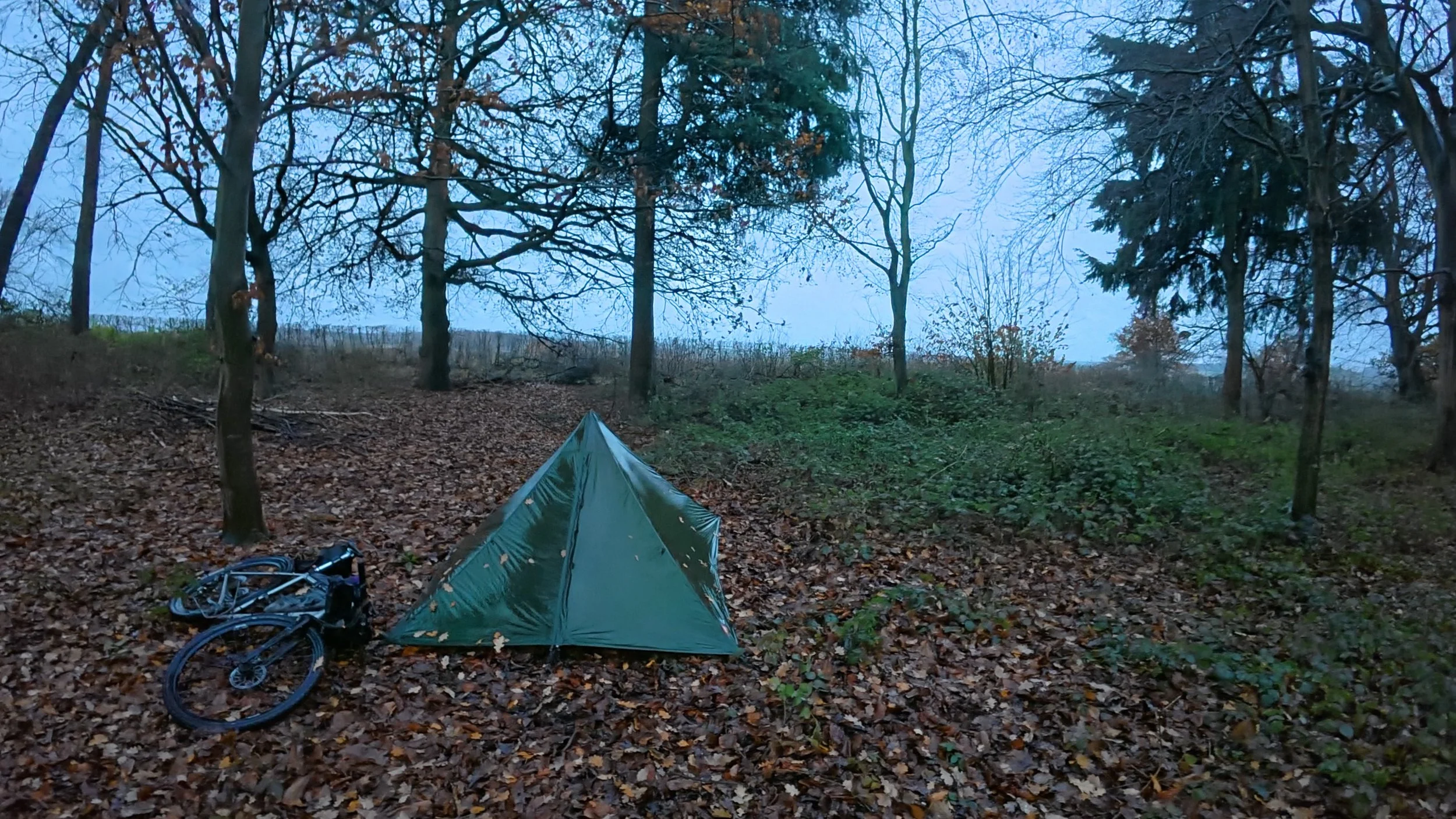
Wild camping on the Wolf Way was surprisingly easy, despite Suffolk being a relatively built-up part of the country. I was able to wild camp every night in woodlands along the route, although a bit of planning is needed to make sure you finish each day near green areas on the map.
Stealth is important here. Set up late, leave early, and leave no trace. While hammock camping is possible, it may limit your options slightly and require longer riding days to reach suitable woodland. For that reason, a small one-person tent or bivvy is the most flexible choice.
If camping isn’t your thing, accommodation is easy to find. The route passes through or near a town roughly every 20 miles, making hotels and B&Bs a realistic option throughout the ride.
Resupply points
Suffolk is not remote, and resupply is straightforward. You’ll pass through plenty of towns and villages with shops, cafés, and pubs along the way. Smaller villages often have a pub, which makes for an easy lunch stop.
One thing to note is that Suffolk lacks streams and rivers suitable for water filtering, so you’ll need to rely on shops and pubs for refilling bottles.
Key resupply points include:
Bury St Edmunds
Sudbury
Hadleigh
Ipswich
Felixstowe
Woodbridge
Lowestoft
As long as you can carry enough food and water for a few hours at a time, resupply shouldn’t be an issue.
Public transport
Being a loop route, the Wolf Way is easy to access from multiple locations. The official start point, Bury St Edmunds, has good train links from Cambridge. The trains I used didn’t require bike reservations and had dedicated bike storage with space for up to six bikes.
Other viable starting points include Ipswich, Sudbury, Felixstowe, and Lowestoft, but Bury St Edmunds is a great place to begin, and a good excuse to visit the smallest pub in the UK before rolling out.
The Wolf Way was a fun and enjoyable route, and for me, it worked particularly well as a winter bikepacking trip.